
What a Frozen Empanada Taught Us About Industrial IoT
Why Cosito went from sensors to voice, and why voice is only the beginning
Cosito Team · July 31, 2026 · 7 min read
For more than a decade I have watched the same movie play out in industrial sites on three continents. A company buys an IoT platform, buys the sensors, gets them installed, and a dashboard goes live. A year or two later, the licenses are quietly returned. The sensor data was not accurate enough, it was never properly modeled, and it lacked context, so the dashboards built on top of it were useless.
I saw it at SAP, where I led IoT for key accounts across Latin America and Southeast Asia. I saw it again at AWS, where I worked on product and data modeling for Industrial IoT. A widely cited Cisco study found that roughly three out of four IoT projects never make it past the pilot or are not considered a success. From what I have seen, the real number is higher.
Cosito was born from that frustration. This is the story of how our first idea failed, what the factory floor taught us, and why we now believe the most valuable sensor in any plant is the person walking the inspection route.
The problem was never the software
First, the hardware. An integrator that implements enterprise software rarely knows how to select sensors or model IoT data. When I created SAP's IoT partner certification program, I did not certify a single partner in Latin America, simply because none had the hardware skills. In Singapore, I watched companies spend 100,000 or 500,000 dollars on sensors that turned out to be the wrong ones.
Second, the wrong buyer. Enterprise vendors like SAP sell to managers who rarely set foot on the plant floor. Cloud platforms like AWS sell to developers who often have never visited one. The real user is the plant or maintenance manager, who has no time to build anything from scratch. While I was at AWS, a technology leader at Toyota in the U.S. put it perfectly:
"Give me the meal, not the ingredients."
Our first idea: IoT (hardware and software) from a prompt
So we set out to serve the meal. Cosito's first product let a company describe its need in a simple prompt. Our platform generated the data model, the dashboards and the data pipeline, and a week later a pre-configured sensor arrived at the door. Turn it on, and the data flowed. Then we met reality.
The empanada that changed everything
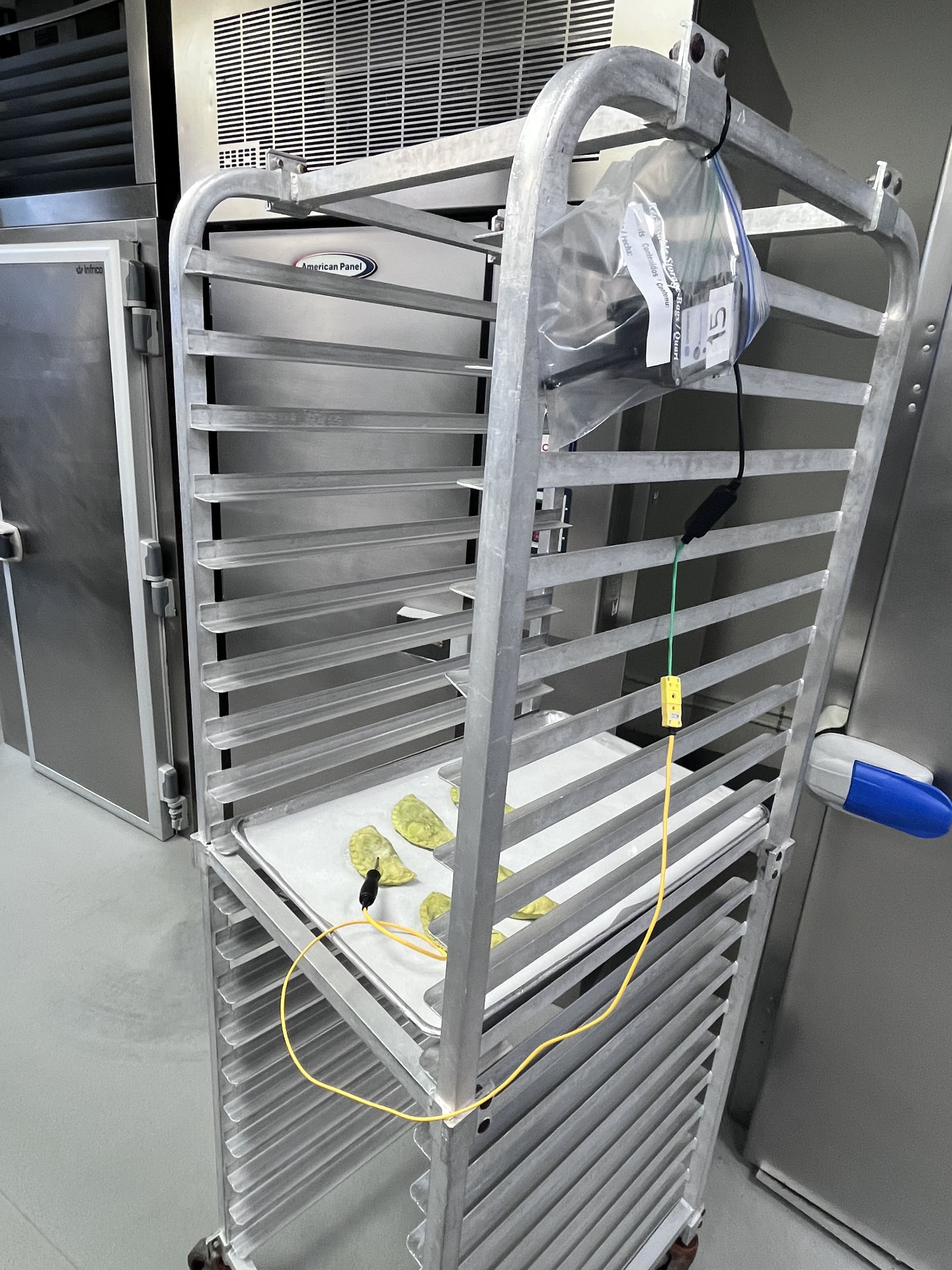
One of our first customers, a baked-goods manufacturer in New Jersey that makes empanadas, needed to trace temperature through cooking, baking, cooling and freezing. The written requirement said: put a sensor on every cart. When we walked the floor, we learned they actually needed the internal temperature of the food inside each cart. A completely different problem, and only the operators knew it.
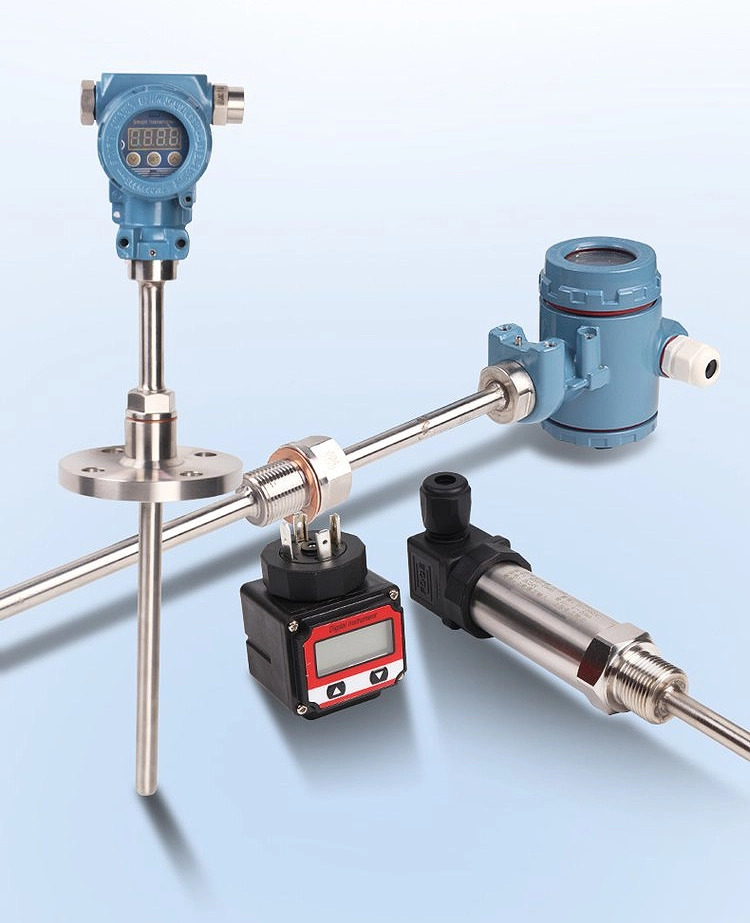
We evaluated sensors from suppliers around the world and chose a sensor from China with a food-grade probe from the UK. On the datasheet, perfect. Inside the freezer, not even close: the colder it got, and the longer the probe stayed in, the less accurate it became. Room-temperature sensors are a solved problem. Almost everything else in a factory needs specialized hardware, and every customer needs something different.
The real data was on paper, and in people's heads
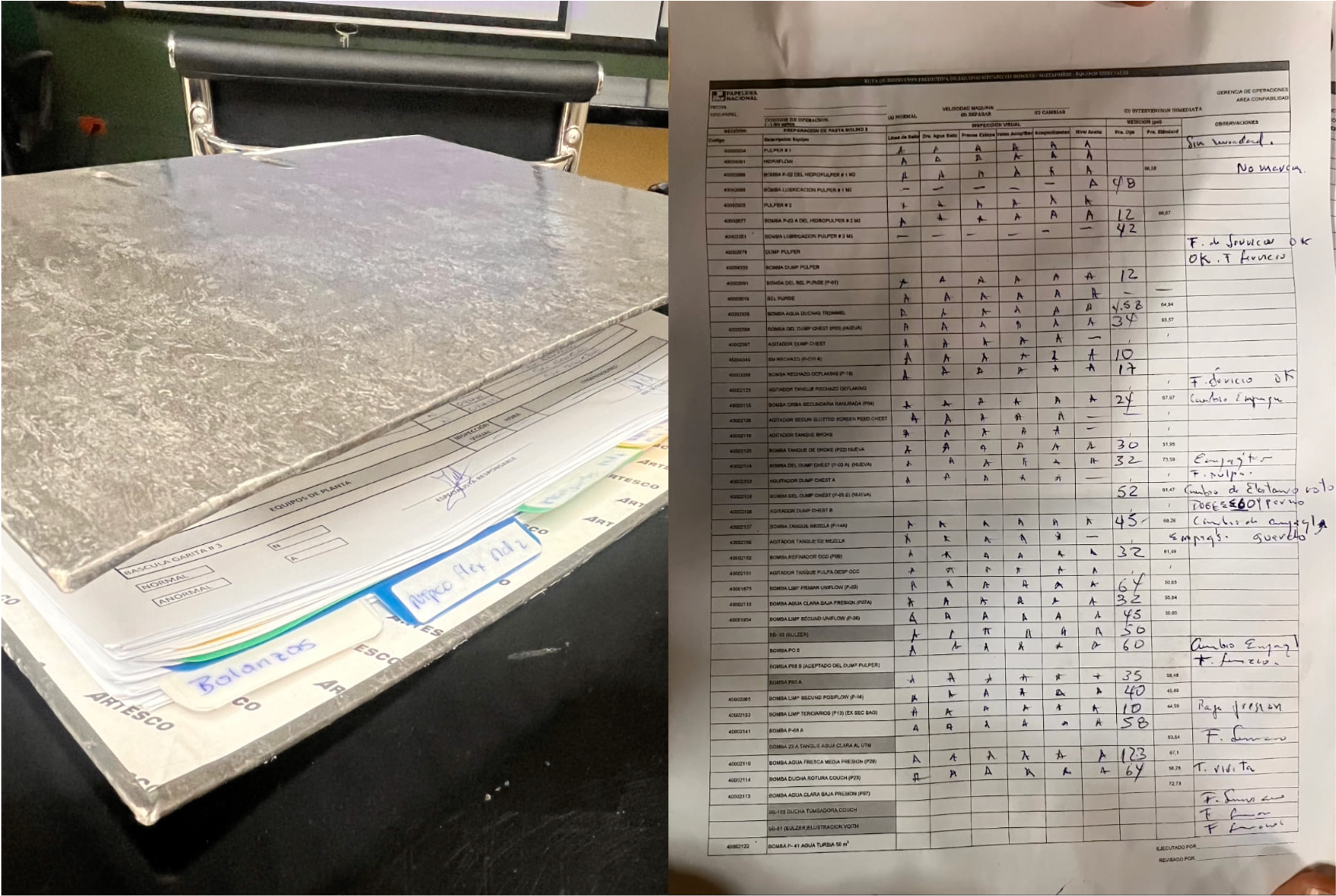
At every plant I asked the same thing: show me your forms. What came back were stacks of paper: critical control point temperatures written by hand, maintenance checklists for plant assets marked only pass or fail with no further detail, long receiving forms for every delivery. Most of them incomplete and inconsistent. When I asked questions, the answers were not on the paper at all. They lived in the heads of the inspectors. And most of what was written down were visual observations that no sensor could capture. Inspectors walk the plant carrying their own measurement equipment, such as probe thermometers, infrared thermometers, multimeters, pressure gauges and vibration meters, and every reading ends up on paper.
Then came the key moment. To keep batch traceability, we had built a tablet screen where operators linked a sensor number to a lot and batch. They hated the extra step. So we removed that screen and added a microphone. Operators picked up the probe and simply said the lot, batch and sensor number out loud. Then it clicked: if operators were already saying the lot and batch numbers, they could also say the temperature from the high-precision food thermometer they already trusted. We removed our own food temperature sensors altogether. We quickly saw the same idea could transform goods receiving, where each delivery meant filling in an 18-page form on a tablet. That is where today's Cosito was born.
What Cosito is today
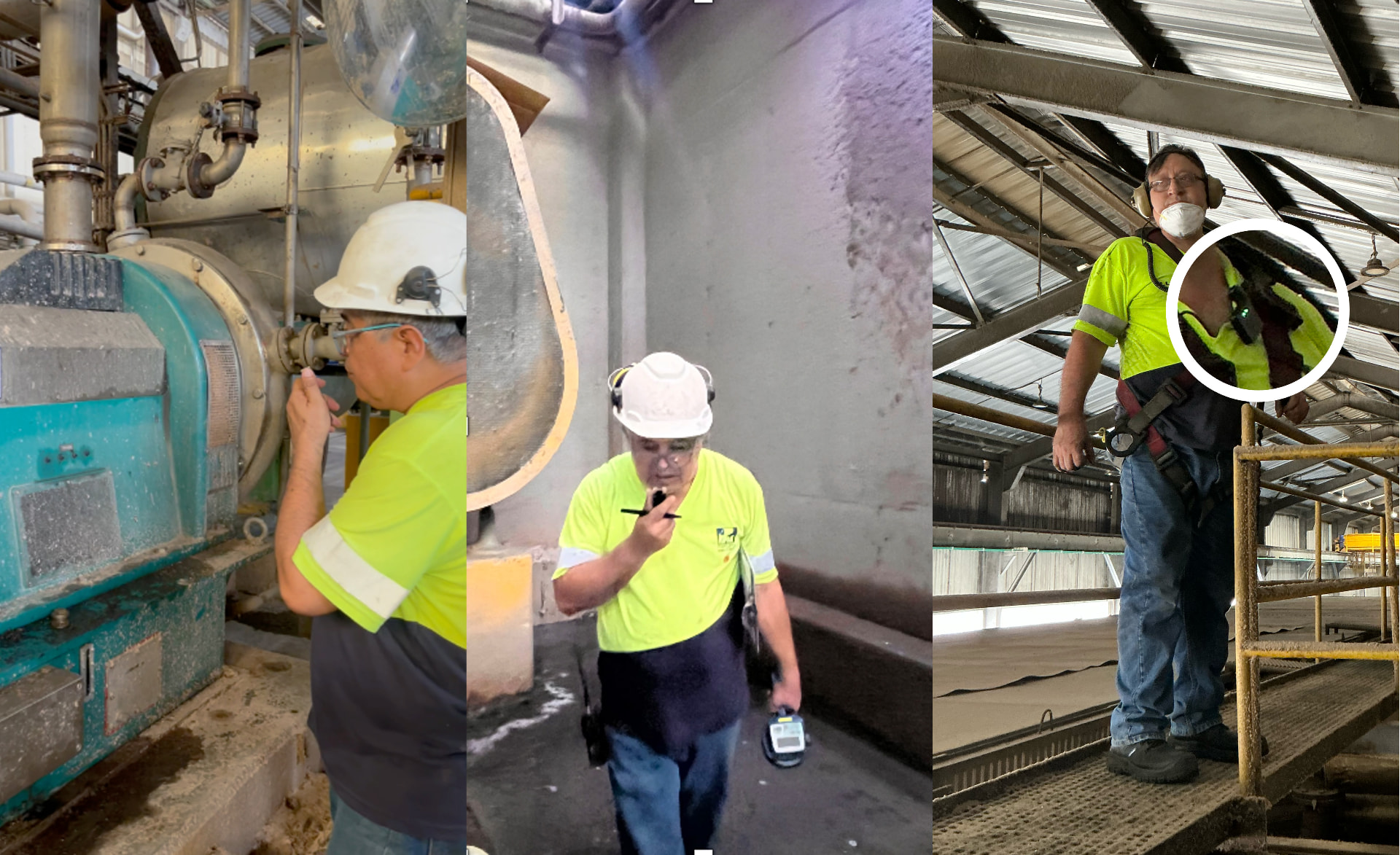
We give inspectors and operators wearable microphones and recorders. They walk their normal route and simply talk: "Lot 12, batch 5, temperature 30 degrees Fahrenheit." Or: "Dryer three is at 112 degrees, a bit above its normal range. The drive belt has cracks on the outer edge and is squealing, so it should be replaced at the next planned stop." Cosito maps every word to the right asset, lot or inspection point, using a data model that mirrors the customer's source of truth, such as SAP or a Microsoft ERP, one to one. It then creates the right record for each finding: a quality result tied to the lot and batch, a maintenance notification for the worn belt, or a goods receipt for an incoming delivery.
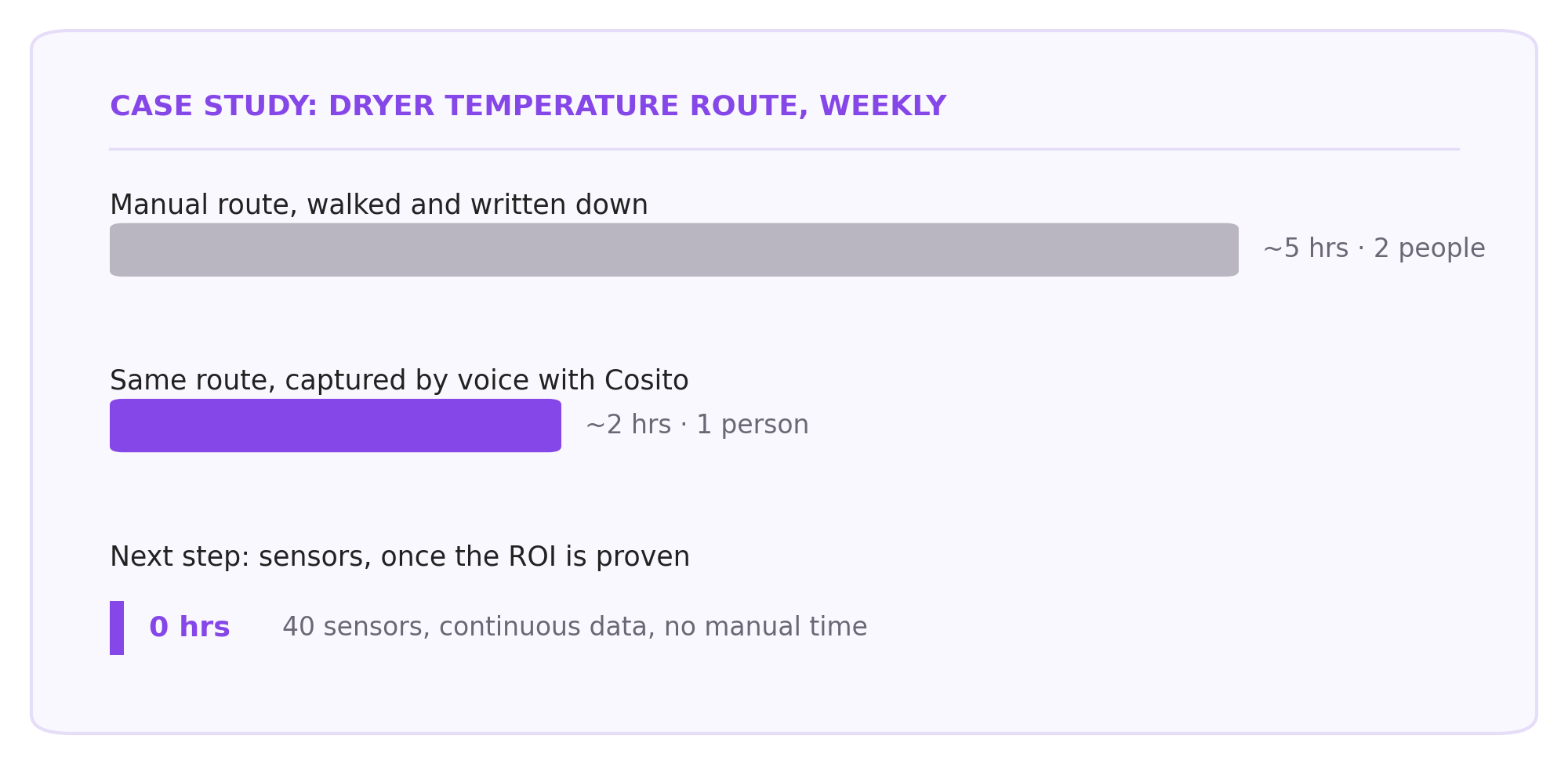
At a paper and cardboard manufacturer in Ecuador, inspectors take around 40 temperature readings on giant roller dryers every week. Measure, stop, write, repeat. The route took about five hours and two people. With Cosito, one person completes it in about two hours, and every reading lands in context, checked against that dryer's operating range.
Data without context is just noise
Picture a conveyor belt that runs 24/7 and suddenly stops for an hour. The IoT sensor knows it stopped. It does not know why. Power outage? Failure? Planned maintenance? The reason is written on a sheet of paper that never reaches any system. An AI application built on that data will not help much.
And when it is not paper, it is WhatsApp. In many plants, frontline workers, especially Hispanic and Southeast Asian crews, report quality, maintenance and inventory in chat groups the company does not control, where nobody even removes people who have left. Paper that nobody digitizes. Chats that nobody governs. Meanwhile, the people who carry this knowledge are retiring: more than half of the technicians at the plants we work with are over 50.
Voice is our wedge, not our destination
Voice is how we get in the door. What we are really doing is long-term, progressive consulting. Because we already know every dryer at that plant, its range and how often it is measured, we can later say: here are plug-and-play sensors chosen for this exact process; install them and they join the same hierarchy you already use. Automation one step at a time, only where the ROI is proven.
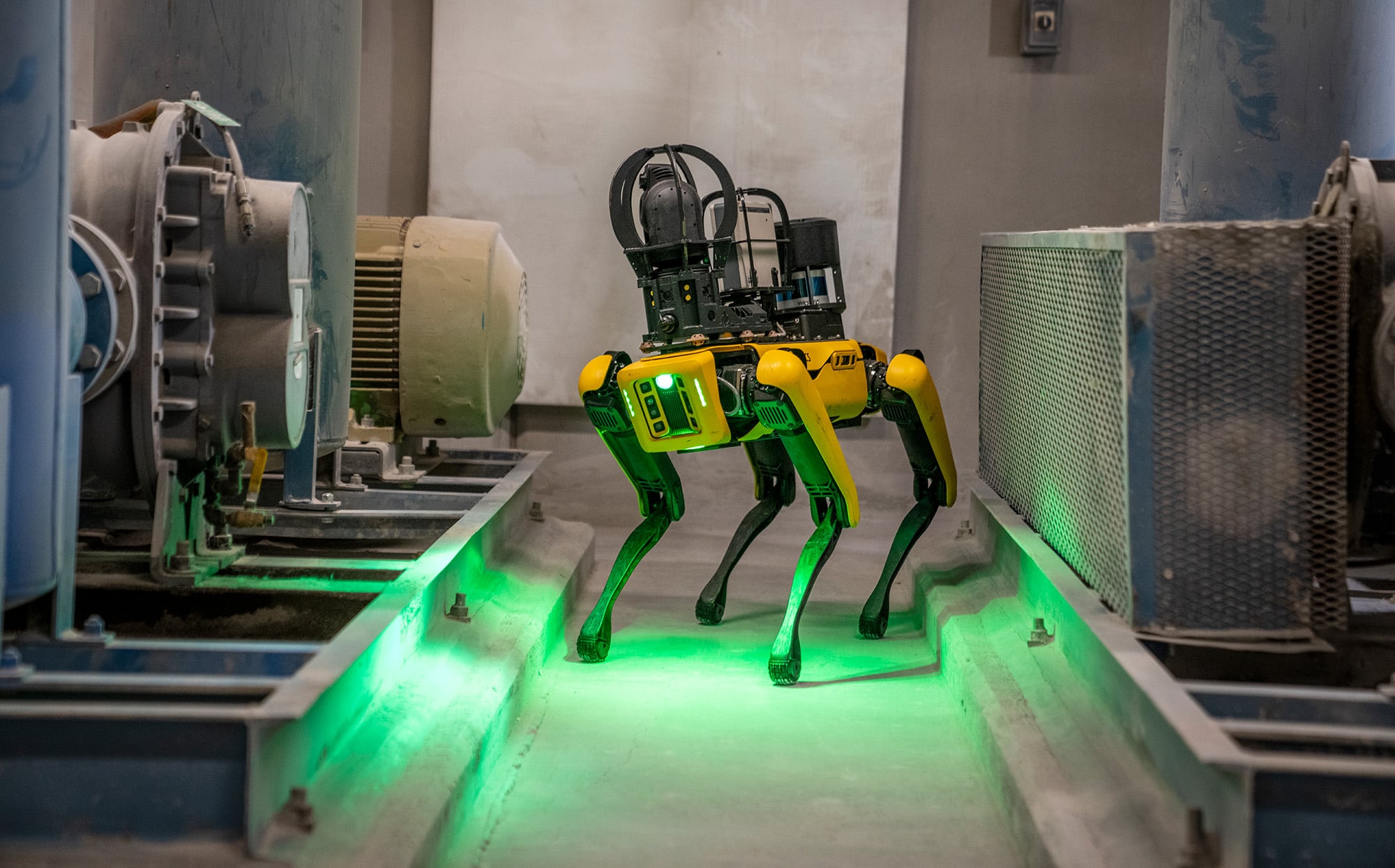
Further out, likely a decade away, robots such as Boston Dynamics' Spot will walk inspection routes that change every day over difficult terrain, or handle receiving, inspecting thousands of incoming products at the dock. They are still expensive, but they will get cheaper and better. And when a robot finds a problem, it will need to know which asset it is looking at, what normal looks like, and how to open a maintenance order in SAP. At the receiving dock, it will need to know which purchase order a delivery belongs to, what the acceptance criteria are, and how to post the goods receipt or flag a damaged shipment. That structure already exists in Cosito. The data model to bring a robot's findings into the plant's digital systems will already be in place, and so will the data to train it: years of structured records of what experienced inspectors check, where, how often, and what they consider normal. And just as with sensors, we will only bring in robots once we can prove real ROI to our customers.
Obsessed with a real problem
We did not pivot because voice is trendy. There are already plenty of recording devices on the market that simply take notes. That is not what we do. We model operational data and lay the groundwork for future automation. We pivoted because the factory floor told us the truth: the most valuable data in a plant is still captured by people, and it is being lost every day. We are building the platform for human knowledge that will power the automation of the future, one inspection route at a time.